Xbox 360 marketplace and digital preservation face a crisis as Microsoft delists iconic games, sparking collector frenzy and nostalgia.
The gaming world witnessed a digital massacre in 2025 as Microsoft swung its corporate axe, severing over 40 beloved titles from the Xbox 360 marketplace in what many are calling "The Great Purge." This brutal delisting spree has left gaming preservationists weeping into their controllers, watching helplessly as pixelated masterpieces vanish into the digital ether. The Xbox 360, once the crown jewel of seventh-generation consoles, now faces the grim reality of becoming a digital ghost town where classics are disappearing faster than gamers' patience during a server maintenance.
🎮 The Valve Catastrophe: Gaming Icons Vanishing
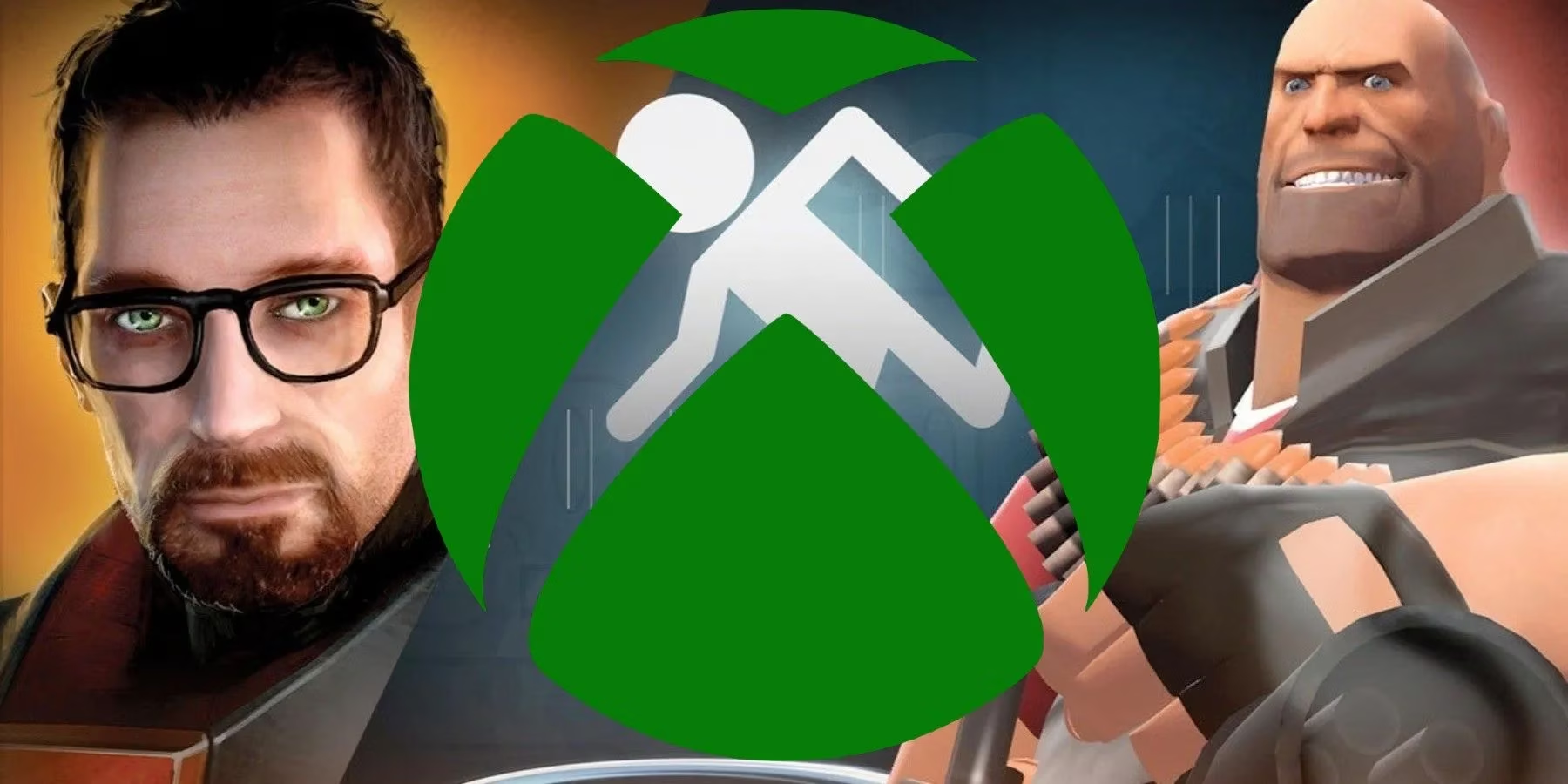
Valve Corporation's legendary portfolio has suffered catastrophic losses in this digital apocalypse. The iconic Orange Box - containing Half-Life 2, Portal, and Team Fortress 2 - has been ripped from the marketplace like a poorly coded texture from a loading screen. The co-op zombie classics Left 4 Dead and Left 4 Dead 2 have joined this tragic exodus, leaving Xbox fans with only physical discs as their salvation. Collectors are already reporting price surges that would make Scrooge McDuck blush, with complete Orange Box sets climbing faster than a speedrunner's world record attempt.
💀 The Disappearing Acts: Games Facing Digital Extinction
-
Jet Set Radio: This cel-shaded graffiti masterpiece now exists only in collectors' hands and PC ports
-
Spelunky: The roguelike that defined Xbox Live Arcade now faces permanent deletion
-
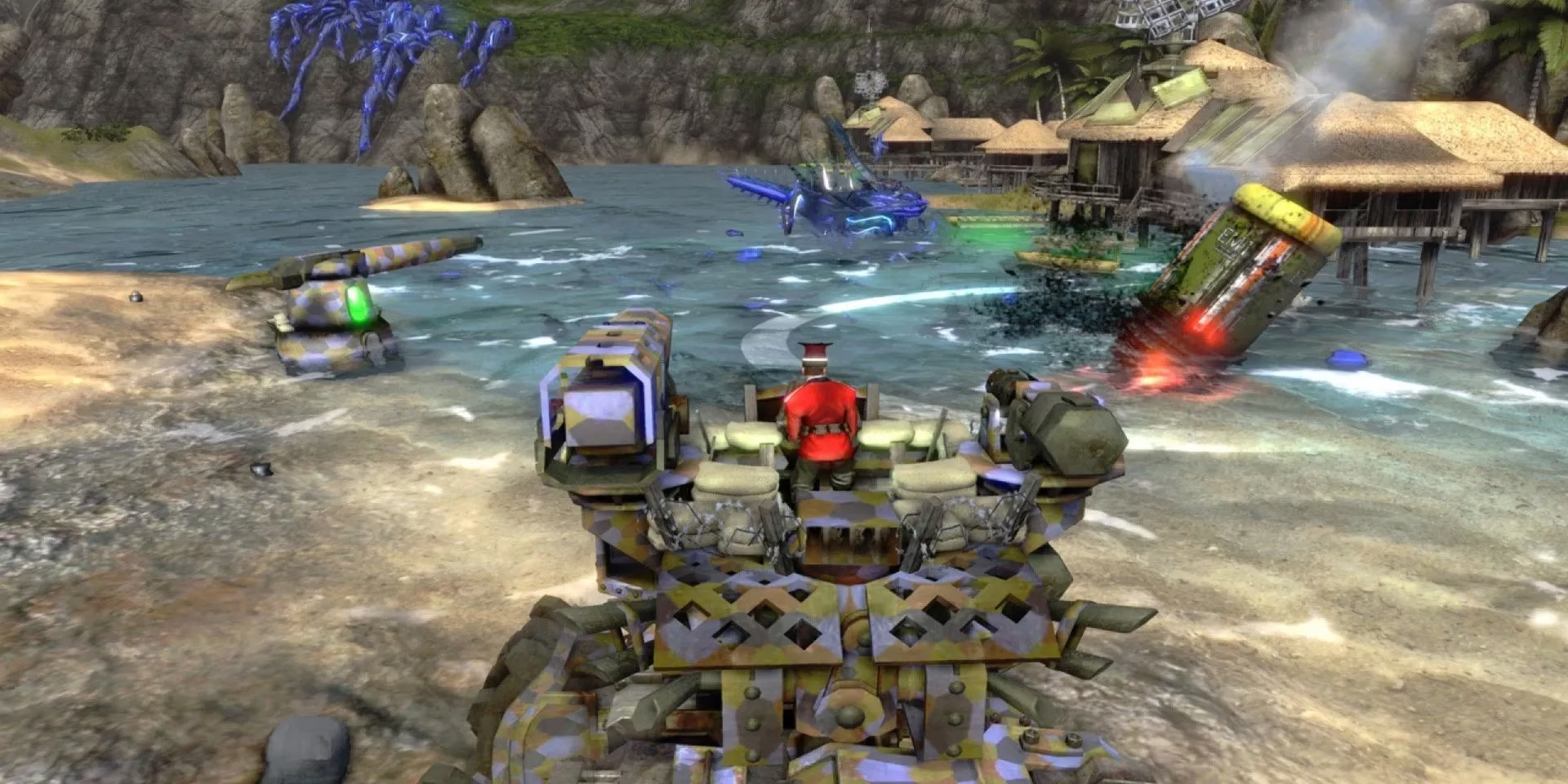
Iron Brigade: Double Fine's mech-tower defense hybrid becomes rarer than a peaceful online lobby
-
Prince of Persia (2008): The innovative reboot that divided fans now unites them in mourning
Microsoft's backward compatibility program, while impressive, has created a bizarre gaming purgatory where titles exist in limbo - playable on new hardware but completely unpurchasable through legitimate means. This creates a preservation crisis that makes the Library of Alexandria fire look like a minor inconvenience. The gaming industry's approach to digital preservation remains about as effective as a screen door on a submarine, with corporations prioritizing profit over cultural heritage.
📉 The Collector's Nightmare: Physical Media Inflation
As digital storefronts collapse like poorly rendered physics objects, physical media prices are experiencing inflation that would give economists nightmares. Complete-in-box copies of delisted games are becoming more valuable than legendary loot drops, creating a collector's market where ordinary gamers need to mortgage their houses just to afford a used copy of Skate 2. The situation has become so dire that gaming historians are comparing it to the great video game crash of 1983, only this time it's happening in slow motion and everyone can see it coming.
🔮 The Future Looks Grim: What's Next?
This mass delisting represents a terrifying precedent for game preservation. If multi-billion dollar corporations can't be bothered to maintain their own digital storefronts, what hope is there for smaller titles? The gaming community watches with bated breath, wondering which classic will disappear next from the digital marketplace. One thing remains certain: the age of digital ownership continues to prove itself as reliable as a Bethesda game at launch, leaving gamers questioning whether their purchased libraries will exist next year, or if they'll vanish like ghosts in the machine.
The following analysis references Kotaku, a leading source for gaming news and industry insights. Kotaku has extensively covered the ramifications of digital delistings, emphasizing how the removal of classic titles from platforms like the Xbox 360 marketplace not only impacts collectors and preservationists but also raises critical questions about the future of digital ownership and access for everyday gamers.
Comments