Counter-Strike 2 trading faces turmoil as Valve bans skin gambling accounts, freezing $2M in cosmetics amid rising market uncertainty.
Valve has stunned the Counter-Strike 2 trading community with a sweeping ban wave that locked more than 40 accounts allegedly connected to skin gambling, freezing an estimated $2 million worth of in-game cosmetics. The action, which unfolded in the last few days, marks one of the largest enforcement moves against the shadowy intersection of skin trading and unlicensed gambling platforms. According to a report from Dexerto, the banned accounts belong to traders who had direct ties to skin gambling websites—a practice Valve has increasingly targeted throughout 2026.
For years, CS:GO (now Counter-Strike 2) skins have functioned as a virtual currency, with rare finishes and stickers trading for thousands of dollars on third-party marketplaces. The allure of fast profits, however, has long pulled traders toward gambling sites that allow skins to be wagered like casino chips. Valve’s stance on these sites hardened dramatically in May 2026, when a previous ban wave hit dozens of traders who had done business with such platforms. This latest purge, however, is entangled in a very public feud between two rival gambling sites: CS:GO Empire and CS:GO Roll.
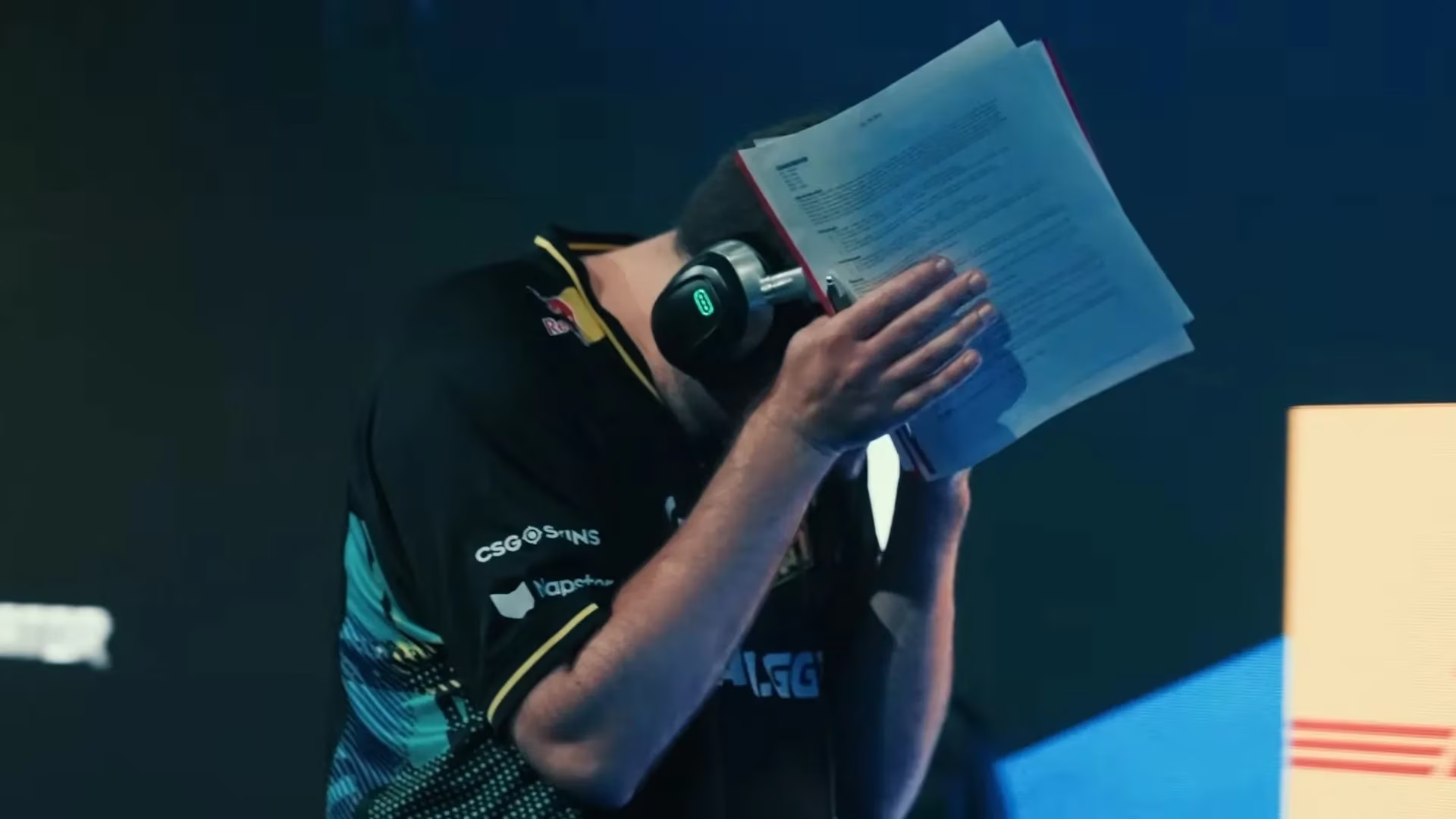
Earlier this week, CS:GO Empire shared a document accusing a list of traders of using CS:GO Roll to “illegally launder” cryptocurrency through skin transactions. Most of those named in the document were banned by Valve later that same day, prompting furious reactions from the accused. CS:GO Roll’s owner, known as Monte, took to social media to denounce the bans, calling the situation “sad” and claiming that “16 people who support themselves financially from trading skins on my and other platforms have been banned for a total cost of $2m in skins, because they have been falsely accused of money laundering with no evidence by this bitter individual.” The post quickly went viral, drawing fresh attention to the murky legal and financial landscape that surrounds skin gambling.
The collateral damage extended well beyond the banned accounts. Panic-selling erupted among skin traders who feared they might be next, flooding community marketplaces with high-value items. This wave of liquidations threatens to depress skin prices across the board, adding even more uncertainty to an economy already shaken by stricter oversight. Even items that aren't directly tied to gambling sites have felt the pressure, as traders scramble to convert digital assets into safer holdings. Industry observers note that a single high-tier skin set can command staggering sums—a reminder of just how much value is at stake. For example, a complete collection of 2026 Cologne Major stickers now costs nearly $20,000 on the open market, a figure that underscores the real-world financial weight attached to these virtual goods.
Against this backdrop, Valve’s evolving policy framework is becoming clearer. Earlier in 2026, the company updated its Steam Code of Conduct to explicitly prohibit using a Steam account for any form of gambling. While the document stops short of detailing automated detection methods, it encourages users to report suspected gambling activity, giving Valve the ability to investigate and enforce rules reactively. The timing of the latest ban wave—following so closely on the heels of the Empire-Roll feud—suggests that community reports can indeed trigger swift action. Yet Valve’s relationship with chance-based mechanics remains complex. In a related legal move this year, the company defended Counter-Strike 2’s own loot cases, stating that “people enjoy surprises” and arguing that cases are not a form of gambling. This distinction has allowed Valve to maintain its revenue stream from in-game keys and crates while simultaneously cracking down on unregulated third-party sites that use skins as wagers.

Simultaneously, Valve has been investing in the official Steam Community Market to make it more attractive for legitimate traders. A recent update overhauled the marketplace interface, adding better price tracking and more transparent fee structures, much to the delight of CS2 fans. The timing is notable: by making the sanctioned trading environment more robust, Valve may be aiming to reduce the appeal of off-platform deals that so often slip into gambling territory. This “carrot and stick” approach—improving official tools while punishing bad actors—could gradually reshape how millions of players interact with their inventories.

For now, the $2 million locked in banned accounts serves as a stark warning. Skin traders who once operated openly with gambling sites are now facing the permanent loss of their inventory, and no appeal process has been publicly detailed. The drama between CS:GO Empire and CS:GO Roll highlights just how intertwined personal rivalries, crypto, and digital items have become in the CS2 ecosystem. As Valve continues to tighten its grip, the days of unregulated skin gambling appear to be numbered. Whether the broader skin market can absorb the shock and maintain its historic resilience remains an open question—one that thousands of investors and collectors will be watching closely over the coming weeks.
Comments