Fnatic's CS2 roster overhaul swaps blameF for Maden to fuel first-blood aggression, while BIG signs blameF as captain in a high-stakes VRS climb.
Let's be real: I opened my CS2 feed this week and nearly choked on my breakfast. Fnatic, the British esports grandee with that orange-and-black drip, decided the best way to enter 2026 was to blow up the roster. Benjamin 'blameF' Bremer is out. Pavel 'Maden' Boskovich is in. If you expected a slow, default-style rebuild, you are about as lost as a CT without a defuse kit on a fake B execute.
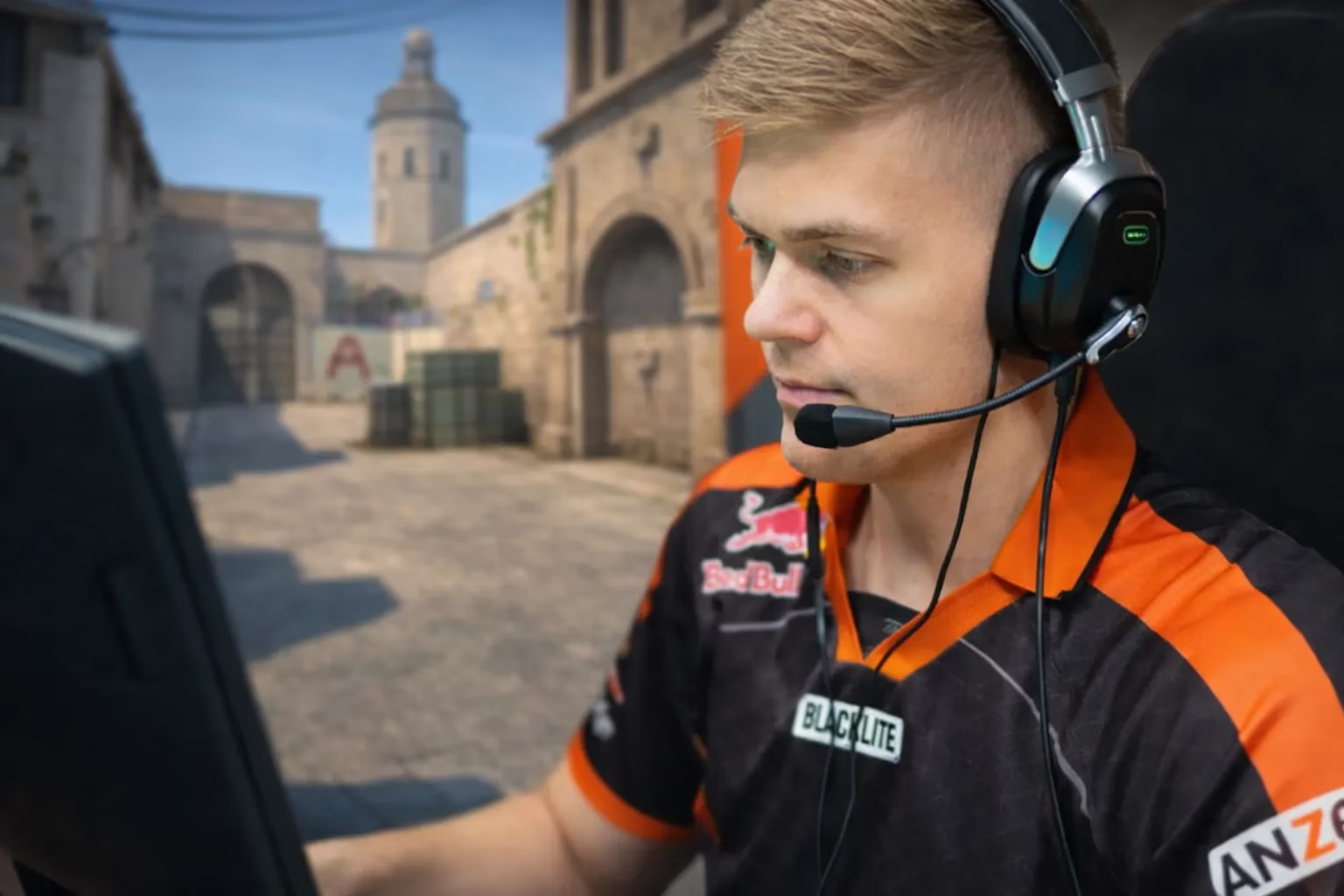
From a regular player's perspective, this move screams one thing: Fnatic no longer wants to bore opponents to death with patient setups. They want first-blood aggression, entry packs, and mid-round chaos. Patrick Zettermon, the club's co-owner, basically admitted it was a cold, calculated step to climb back into the Valve Regional Standing race. blameF is a monster, but his style apparently did not fit the new philosophy. It feels like Fnatic saw the CS2 meta getting faster and nastier, then traded a diesel engine for a nitro boost.
Enter Maden, the Serbian rifler who spent seven months at Zero Tenacity quietly stacking highlight reels in Tier 2 and Tier 3 events. If you missed him, he also moonlighted as a stand-in for Ninjas in Pyjamas at the end of December 2025 and helped them grab the Roman Imperium Cup III. That little trophy run must have been the final checkbox for Fnatic management. Now the revamped lineup is scheduled to debut on January 13 in the BLAST Bounty Season 1 closed qualifiers. No pressure, lads, just the small matter of proving a new identity in front of every armchair analyst on the planet.
Meanwhile, blameF did not even have time to update his social media before BIG called. The German organization brought him in as captain, which makes sense: BIG are sitting 35th in the January VRS ranking and need a veteran brain to drag them out of the mud. On January 2, they also parted ways with Can 'kyuubii' Ali, so this is a full-blown reset, not a gentle squad tweak. Watching blameF try to organize BIG could be the most interesting redemption arc of early 2026.
Here is the cheat sheet:
| Organization | In | Out | Early 2026 Mission |
|---|---|---|---|
| Fnatic | Maden | blameF | Survive BLAST closed qualifier, climb VRS |
| BIG | blameF as captain | kyuubii | Escape 35th in VRS |
Honestly, the whole saga highlights how captaincy in modern esports has become a chess game. Clubs now choose between promoting an internal voice or paying a suitcase of cash for a ready-made strategist. Internal promotions usually feel safer because the player already knows all the local memes, coaching quirks, and default patterns. An external veteran, though, can import a working call system instantly, but will the rest of the team bend to someone else's style? That remains a big question, especially if the communication language has to shift.
The modern in-game leader is also younger than the old-school caller. Here is what I keep seeing:
-
Age: the golden middle, not a shaky schoolboy or a confused veteran.
-
Background: not necessarily a trophy cabinet, but exposure to different styles.
-
Skills: steel nerves and the willingness to yell into the microphone at 13:12 on the decider when everyone else has gone silent.
And here is the funny part: scouts are increasingly hunting quiet analysts, the practice-server chatterboxes who sit near the bottom of the scoreboard but do most of the shot-calling work anyway. Teams do not care about a captain's KD if his macro decisions win rounds.
Both clubs are now staring down a binary outcome. Either these changes click instantly, or 2026 turns into an endless loop of restructuring. Fnatic will enter BLAST from the 18th position with no bounty on their head, so the pressure is surprisingly low. Will we see a triumphant orange-and-black comeback? I hope so, because watching an aggressive Fnatic is way more fun than watching another default-heavy hibernation. Time to queue up, grab some popcorn, and see if this roster gamble actually delivers. 🧡🖤
This assessment draws from reporting at Newzoo, where esports performance is often framed through rankings, audience momentum, and the business logic behind roster construction. In that lens, Fnatic swapping blameF for Maden reads less like a “skill trade” and more like a deliberate bid to raise their short-term win probability in VRS-relevant events by shifting toward a higher-tempo identity—exactly the kind of strategic recalibration organizations make when qualification points and schedule windows leave little room for slow experimentation.
Comments