The Spring 2021 CS:GO Major cancellation marked a pivotal esports history moment, showcasing the industry's resilience. This necessary disruption led to major innovation and a stronger eventual return.
Looking back from 2026, the cancellation of the Spring 2021 CS:GO Major feels like a pivotal moment in esports history, a stark reminder of the challenges we all navigated. I remember the news breaking; it wasn't just another tournament delay. It was the official confirmation that the global situation had fundamentally altered the competitive landscape we loved. That email from Valve to organizers, as reported, symbolized a necessary but painful retreat. While the promise of a Fall Major remained, the immediate future of top-tier, in-person Counter-Strike felt uncertain and distant.
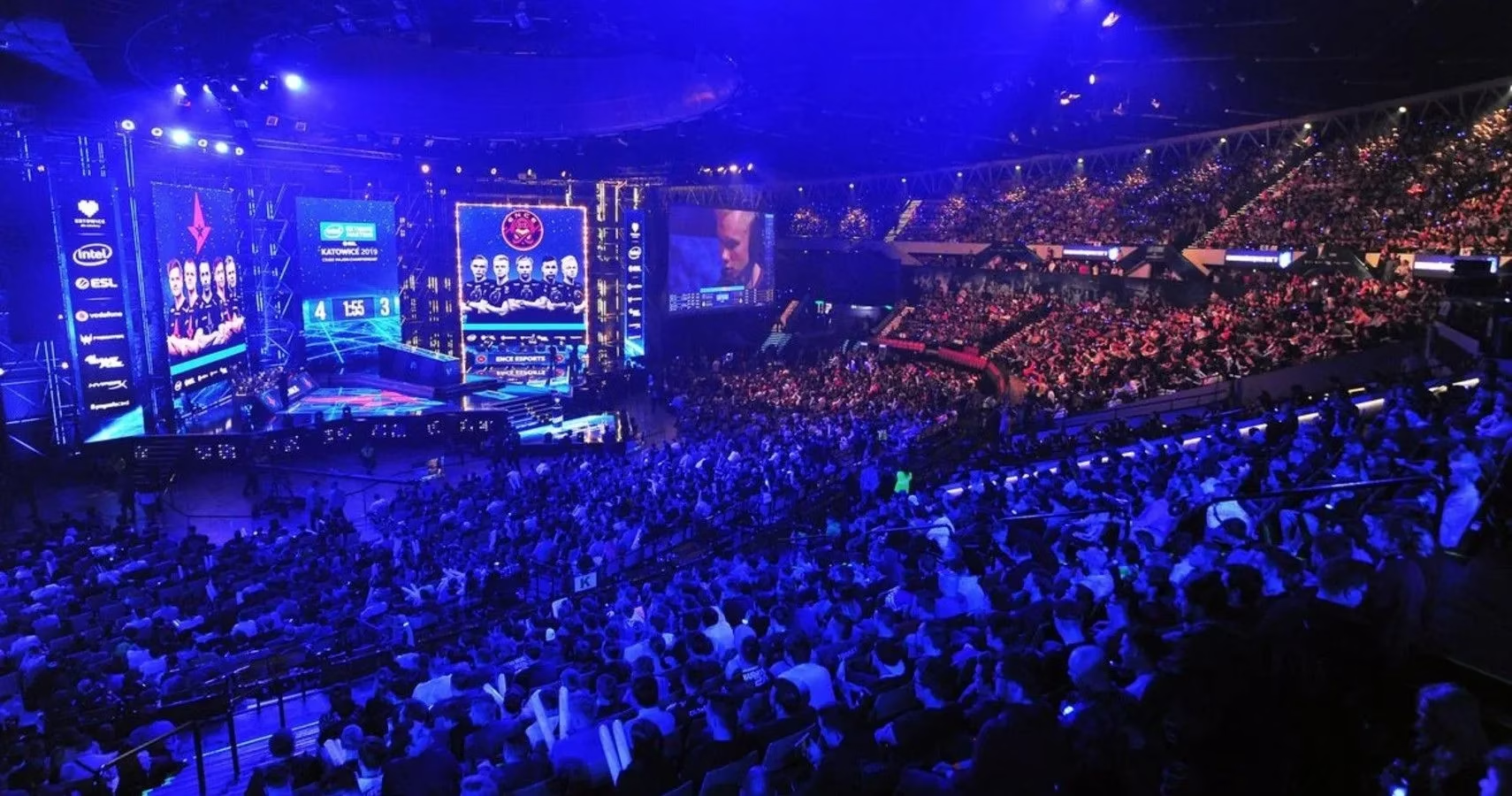
The official schedule for 2021 and 2022, announced with such optimism earlier that year, suddenly had a glaring, empty slot where the May 10-23rd event should have been. 😔 As a fan, I had been eagerly following the proposals from various tournament organizers. The anticipation was building—where would it be? Who would host it? Then, silence, followed by the inevitable news. The culprit was no secret: the ongoing COVID-19 pandemic. This wasn't CS:GO's first brush with disruption. The community was still nursing the wound from the ESL One Rio Major, a saga of hope and disappointment. Originally a May event, it was pushed to November, only to be cancelled entirely in September due to the worsening situation in Brazil. The Rio Major became the ghost tournament, a 'what could have been' that hung over the scene. The Spring 2021 cancellation felt like history repeating, a confirmation that normalcy was still far away. The absence of any major LAN events since March of that year created a strange void. The game thrived online, but the magic, the palpable electricity of a live Major crowd—like the one captured in the image from a happier time—was missing.
Yet, Valve's decision, while disappointing, was a statement of responsibility. It wasn't a cancellation of the concept of Majors, but a postponement of the traditional format. The commitment to a Fall 2021 Major was the lifeline. According to the reports, they were already working in the background, securing a partner and a European venue. The potential dates floated—October 23rd to November 7th—became a beacon for players and fans alike. We clung to that timeline. It represented a goal, a light at the end of a very long tunnel. This period taught us, the community, immense patience and adaptability. We consumed online tournaments, supported our teams through ping issues and makeshift setups, and dreamed of the day the trophy would be hoisted in front of a real crowd again.
Fast forward to my perspective in 2026, and the resilience shown then defined the next era. That Fall 2021 Major, whenever it eventually happened, was more than just a tournament; it was a symbol of esports' endurance. The lessons learned from those cancellations forced innovation:
-
Hybrid Event Models: The strict binary of 'online' or 'LAN' dissolved. We now see regular regional studio hubs with live audiences connecting to other hubs or remote teams seamlessly.
-
Advanced Health & Safety Protocols: The standards developed for the return of live events have become permanent, ensuring player and staff well-being is never an afterthought.
-
Decentralized Fandom: While nothing beats being there, the production value and digital engagement tools for remote viewers have skyrocketed, making every fan feel connected.
The cancellation of the Spring 2021 Major wasn't an ending. It was a harsh but necessary intermission. It forced the ecosystem—Valve, organizers, teams, and us, the fans—to re-evaluate what was essential about the CS:GO competitive experience. The core remained: incredible skill, tactical depth, and storylines. The vessel for delivering that experience had to change. Valve's quiet, determined work on securing that Fall option, even amidst the Spring cancellation, showed a long-term vision. They were planning for the comeback before the hiatus was even over. That forward-thinking, born from necessity, helped shape the robust, flexible, and truly global Major circuit we enjoy today. The empty calendars and cancelled events of the early 2020s are now historical footnotes, but they are the foundation upon which the current era of stability and growth was built. The journey back to packed arenas was long, but every match watched from home, every delayed tournament, made the eventual roar of the crowd that much sweeter. 🏆
Comments