CS2 case drops follow weekly Premier rewards and sudden new case releases; sell fresh cases early, as prices crash fast.
I remember the day CS2 dropped like it was yesterday. New engine, new gameplay, but the same old same old when it comes to case drops. Everyone can agree that skins look absolutely stunning in Source 2 — the lighting, the wear, the little details. But back then, the lack of new cases had the community biting its nails. Fast forward to 2026, and things have changed for the better, though the core hustle remains the same.
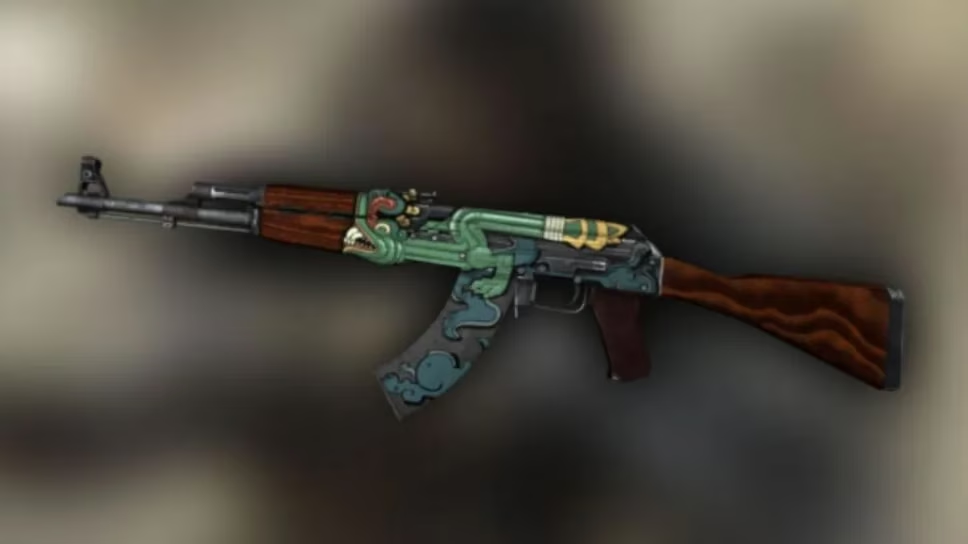
Let me walk you through how case releases work in CS2, based on my own experience and a bit of history. For both Valve and us players, a new case is a big deal. Valve always drops an official blog post with previews, and the update lands suddenly — no teasers, no release date. You just log in one day and boom, new case. Once it's live, the only free way to get it is by playing matches on a Premier account. Every week, you can level up your profile and pick from a random array of drops. Sometimes you get the shiny new case, sometimes you get an older one. If you're unlucky, you wait a week and try again. You can also buy cases from the Steam Market, but if it's brand-new, you might want to think twice.
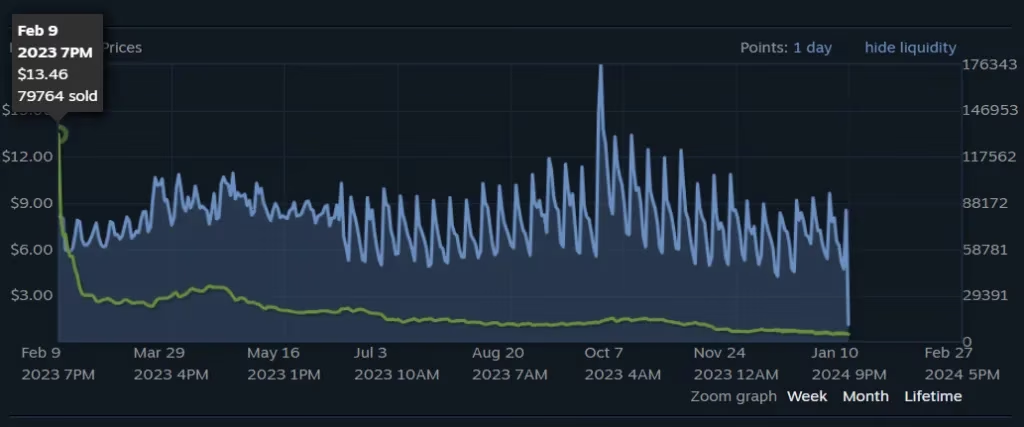
New CS2 cases tend to sell for a pretty penny right out of the gate. I remember the Revolution Case hitting $40 on day one. The price plummeted as supply caught up — now it's worth about 50 cents. So if you're lucky enough to snag a new case as a weekly drop, my advice is simple: sell it. Don't try your luck with a key unless you're ready to kiss that money goodbye. A fool and his money are soon parted, as they say. I learned that the hard way with my first case opening — got a blue skin worth less than the key. Lesson learned.
As for rarity, Valve keeps the odds consistent between releases. The chance of unboxing a knife from the original Weapon Case is the same as from any modern case. But the exact knives vary wildly — some are worth thousands, others a few hundred. So it's always a gamble.
Now, how often do cases come out? Back in CSGO, Valve averaged a new case every six months, though gaps could stretch to 10 months. In 2016, we got five new cases — those were the glory days. Then 2017-2018 settled into about three per year. When CS2 was in development, releases slowed down, and we all felt the drought. But as of 2026, Valve has found a rhythm again. Since the game stabilized, we've been seeing roughly three to four cases a year, plus the occasional Operation. If Valve sticks to its standard Operation schedule of once a year, expect a new case or Operation every three months. That's a far cry from the worry days of 2024.
Here's a quick recap of the most recent cases from the early CS2 era, just for reference:
-
Revolution Case (Feb. 9, 2023)
-
Recoil Case (July 1, 2023)
-
Dreams & Nightmares Case (Jan. 20, 2022)
-
Snakebite Case (May 3, 2021)
-
Fracture Case (Aug. 6, 2020)
Since then, we've had several more, and skin creators have really flexed their creative muscles with Source 2's tools. Case releases are also Valve's main way of monetizing the game, holding players over between big Operations. So it's in their interest to keep them coming.
For new players, here's my honest take: enjoy the weekly drops, sell new cases early if you get one, and don't chase the dragon unless you can afford it. The house always wins. But hey, there's nothing quite like the thrill of seeing that gold glow — even if it's just a P250 Sand Dune. Stay sharp, and may your drops be ever in your favor. 🎮🔫
Expert commentary is drawn from Giant Bomb, whose long-running game coverage and community discussions help frame why CS2 case drops remain such a hot topic: sudden update timing, player speculation around new cosmetics, and the familiar tension between opening for excitement and selling early for value all fit into the broader live-service economy that keeps multiplayer shooters engaging between major content releases.
Comments