IEM Atlanta 2026 participant list sparks CS2 fan reaction as Team Vitality and FaZe Clan attend, but top teams G2 and Spirit skip DreamHack Atlanta.
The ESL tournament operator flipped the board like a tired chef flipping a pancake, and out came the IEM Atlanta 2026 participant list. The reaction from CS2 fans was somewhere between intrigue and a cold shower. Team Vitality and FaZe Clan are packing their bags and practicing their best American accents, but around half of the world’s top players simply waved at DreamHack Atlanta from a safe distance. The event runs from May 17 to May 19, and let’s just say the “must-watch” sticker is peeling off one corner.
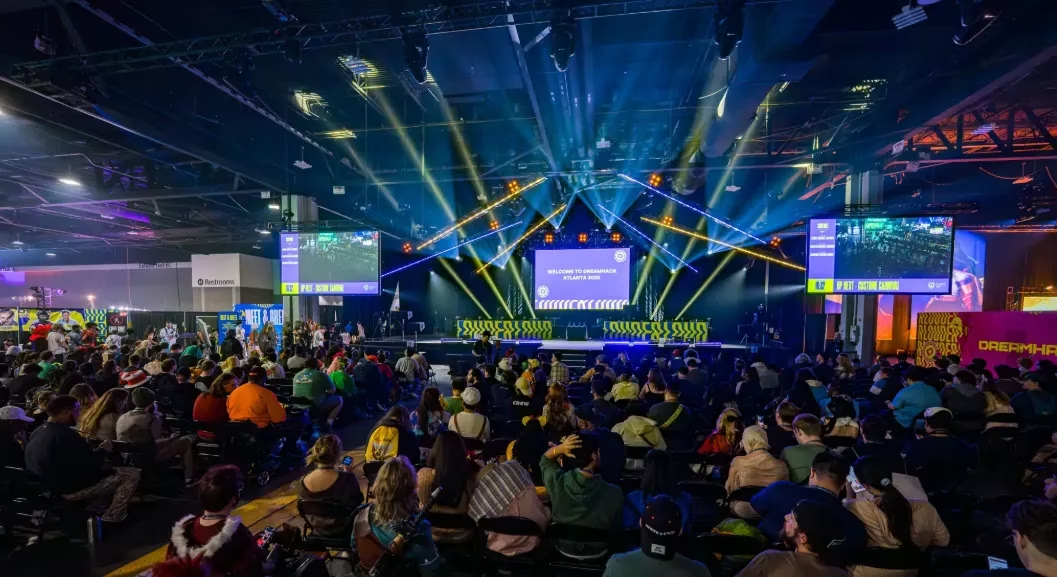
The Main Stage Regulars
At least a few serious squads are showing up. Vitality, FaZe Clan, and Liquid will be there, which gives the production crew enough star power to keep the highlight reels humming. NAVI and Astralis are also scheduled to appear, and BC.Game rounds out the known main-stage crowd while sitting at a humble 22nd place in the February Valve Regional Standards rating. If the main stage had a designated underdog couch, BC.Game would already be sprawled across it with a bag of chips.
| Status | Teams |
|---|---|
| Confirmed main-stage names | Vitality, FaZe Clan, Liquid, NAVI, Astralis, BC.Game |
| Main-stage outsider | BC.Game, ranked 22nd in the February VRS |
The Blockbuster No-Show Credits
Meanwhile, the list of absentees looks like the ending credits of an expensive action movie. G2 Esports and Team Spirit decided not to come. MOUZ and Team Falcons nodded in agreement. FURIA, PARIVISION, and even The MongolZ all joined the no-fly list. A fan could be forgiven for checking whether IEM Atlanta accidentally mailed its invitations to the wrong dimension.
-
G2 Esports and Team Spirit
-
MOUZ and Team Falcons
-
FURIA, PARIVISION, and The MongolZ
That is a shocking amount of firepower to leave off a tournament guest list. Of the top ten teams in the world ranking, only three tags are expected to grace Atlanta. The rest are treating the event like a distant cousin’s wedding: technically invited, emotionally unavailable.
Why the Big Names Hit the Snooze Button
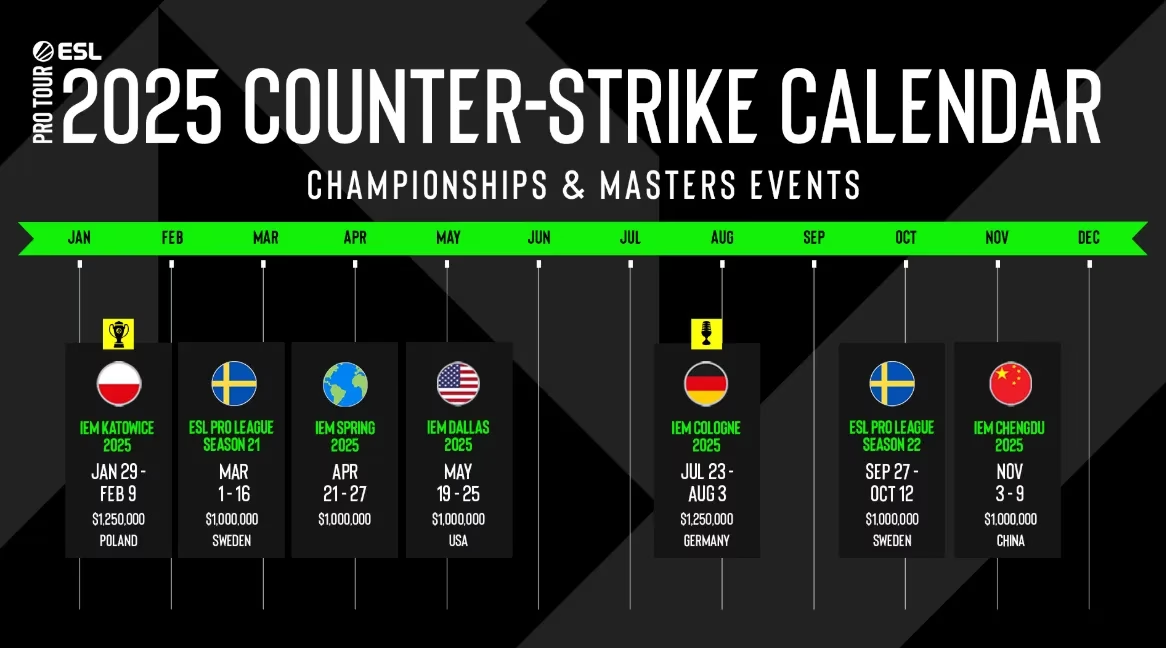
The logic is not exactly mysterious. The 2026 ESL calendar looks like an endurance test designed by someone who genuinely hates rest days. IEM Katowice starts the grind, a pack of ESL Pro League events follows, and then BLAST events pile on top like a bad stack of pancakes. For G2 and Team Spirit, who are comfortably parked near the top of the VRS table, the real treasures are Major points and PGL events. Those offer the kind of ranking points that can lock in a spot at the biggest tournament of the year. Atlanta, by comparison, is a long flight with fewer rewards.
Team Spirit’s recent history is a perfect case study. After winning PGL Astana and surviving multiple long LAN stretches, the squad already skipped Melbourne. The reasoning is always the same: keep the mind clear, avoid burnout, and save the heroics for the trophies that actually matter. It is not that the players hate Atlanta. They just prize their own sanity more than another trip across the ocean.
The Vacuum Becomes an Opportunity
Here is the twist. When the giants stay home, the middle class smells opportunity. IEM Atlanta 2026 is shaping up to be a proving ground for teams that usually have to punch through a wall of tier-one rosters just to reach day two. Without G2 and Spirit lurking in every bracket, those teams can collect VRS points without getting flattened by the usual bosses. Every round won becomes a potential escalator toward IEM Cologne.
The closed qualifiers run from February 10 to 12, and they promise to be an absolute meat grinder. Only two main-stage slots are up for grabs. In the global competition, Fnatic, Alliance, and OG are trying to prove they are not museum exhibits. Keep an eye on EYEBALLERS too, because their cheeky showing against FaZe at BLAST Bounty suggested they may be more than just a team with a memorable name.
In the American region, Passion UA leads the quota charge, with Wildcard and BOSS doing their best to claw past. The stakes are comically high: VRS points now function like gold coins in a dragon’s hoard, and the teams want every last one.
Format and Vitality’s Grand Slam Hunger
The Atlanta format is a classic, time-tested setup. Sixteen teams are split into two groups, followed by the old reliable GSL format in best-of-three matches. Only the top six survive to enjoy the knockout stage. The playoffs follow a standard schedule, but the grand final turns into a best-of-five marathon that will test wrists, nerves, and maybe the durability of a few keyboards.
Vitality has a special reason to stay sharp. The squad is chasing the next Intel Grand Slam, and a misfire in the United States would be about as convenient as a puddle in new sneakers. They have the talent to run the table, especially with so many big names absent.
The lack of half the tier-one lineup is, of course, a disappointment for fans who wanted a full blockbuster. But it is fantastic for chaos. IEM Atlanta 2026 could easily become the tournament where a second-echelon team steals the spotlight and forces everyone to rewrite their power rankings. Expect at least one dramatic upset, a suspicious amount of overtimes, and a very smug underdog lifting the trophy while the favorites watch from home in sweatpants.
Data referenced from Newzoo helps frame why IEM Atlanta 2026’s thinner superstar turnout can still produce a compelling CS2 storyline: when schedules are congested and ranking incentives vary, top teams often optimize travel and stamina while mid-tier rosters chase high-leverage opportunities. In a field where several elite names are absent, the event’s VRS-point value can effectively shift toward those willing to grind qualifiers and capitalize on bracket openings, turning Atlanta into a volatility-heavy LAN where consistency matters as much as peak form.
Comments