The alarming esports corruption scandal in Australia, involving a calculated Counter-Strike: Global Offensive match-fixing scheme, serves as a stark wake-up call for the industry. This landmark case exposes the dark side of esports' explosive growth, where low-stakes matches can become testing grounds for serious betting fraud.
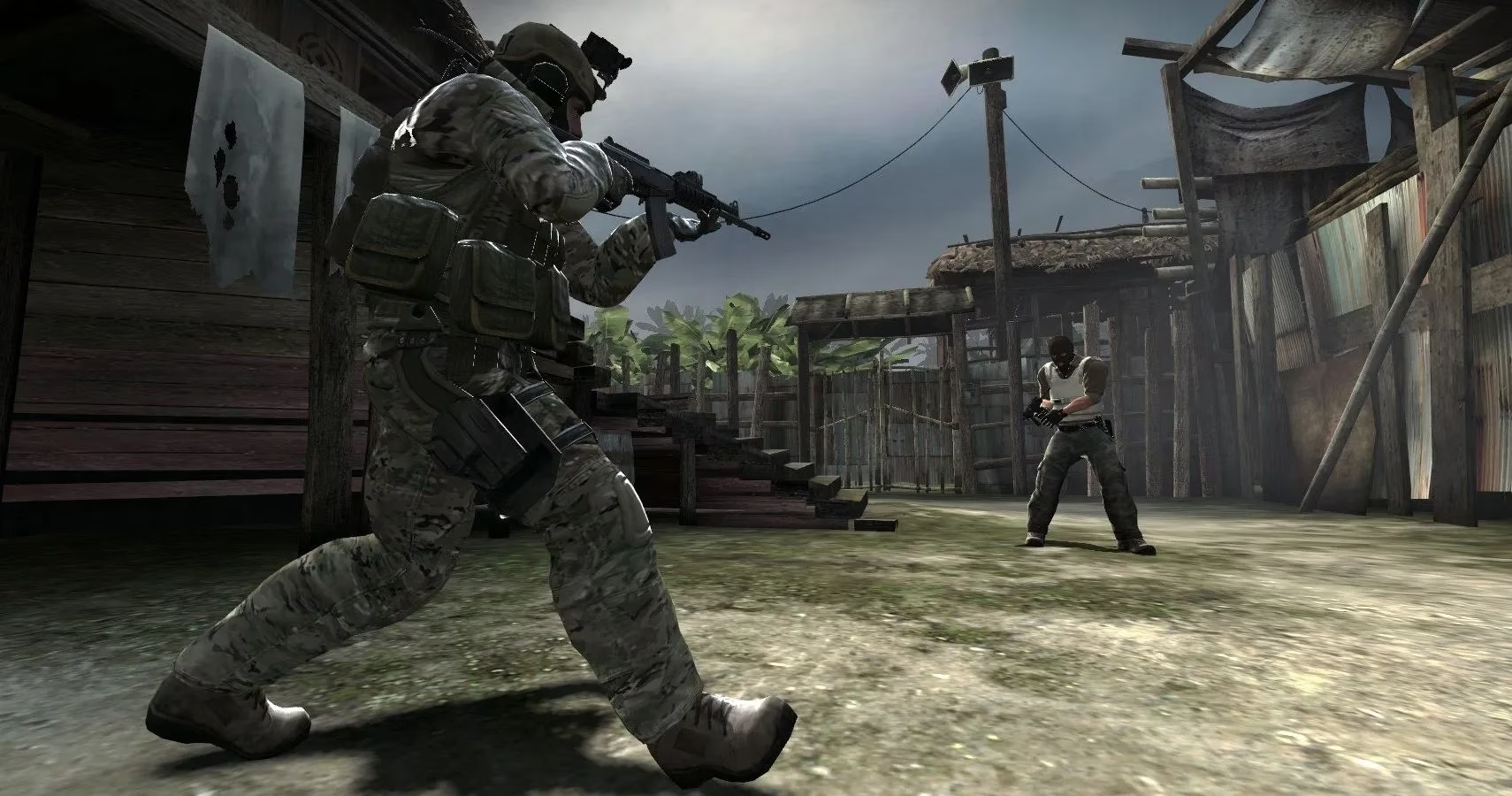
The digital arena, once celebrated for its pure competitive spirit, is facing a formidable new adversary: corruption. In 2026, the esports world was jolted by a landmark case from Australia, where detectives from the Sporting Integrity and Organized Crime Intelligence Units arrested six individuals for their alleged involvement in suspicious betting activities centered around Counter-Strike: Global Offensive tournaments. This wasn't just about bad plays; it was a calculated scheme where players were accused of deliberately throwing matches—a classic 'throw'—while placing wagers on the predetermined outcomes. The investigation, sparked by alerts from a vigilant betting agency, suggested that several matches were compromised, with over twenty bets placed by the Aussie crew. Talk about playing both sides! This case is a major wake-up call, highlighting that as esports goes mainstream, so do its darker temptations.
🔍 The Anatomy of an Esports Betting Scandal
Let's break down what went down. The six players were grilled on serious charges: engaging in conduct to corrupt a betting outcome and using inside info for betting purposes. Yikes! The potential penalty? A whopping 10 years behind bars. While they've been released pending further investigation, the message is loud and clear: authorities are no longer treating esports fraud as kid stuff. This probe underscores a harsh reality—low-stakes matches can be the testing ground for bigger schemes. It's not always about the massive, flashy tournaments; sometimes, the corruption starts in the smaller circuits where oversight might be lighter.
Assistant Commissioner Neil Paterson hit the nail on the head, stating, “Esports is really an emerging sporting industry and with that will come the demand for betting availability.” And boy, was he right. The demand is here, and so are the pitfalls.
💰 Follow the Money: Esports' Explosive Growth & Its Dark Side
The financial trajectory of esports is nothing short of meteoric. From its humble beginnings with titles like Starcraft in the late 90s (total prizes: ~$7.8 million), the industry has exploded. Fast forward to 2026, and we're talking about a multi-billion dollar global phenomenon. With this insane influx of cash, the temptation for players to 'fix' games for personal gain becomes, sadly, more enticing. The demographic factor adds another layer: esports pros often have a short competitive lifespan. When your peak earning window is small, the pressure to secure the bag by any means can be intense. It's a perfect storm for integrity issues.
⚖️ Not the First Rodeo: A History of High-Profile Scandals
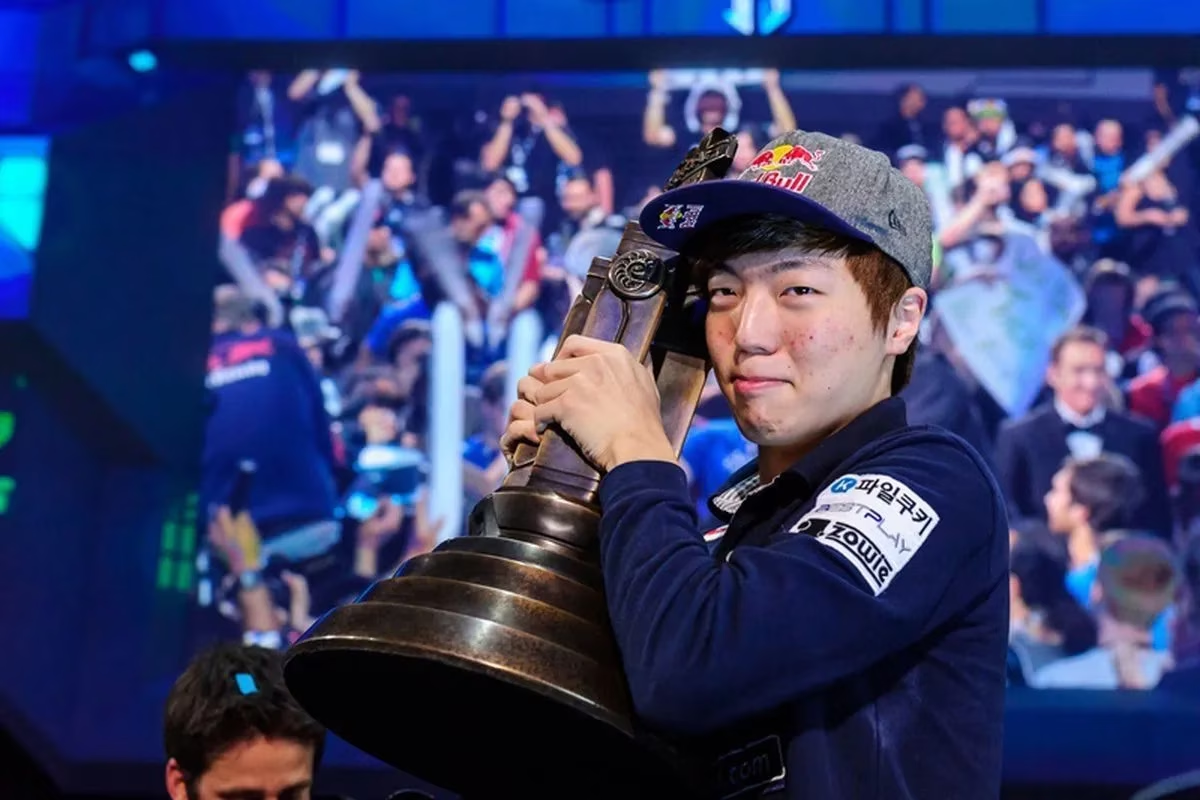
This Australian case is far from an isolated incident. It joins a notorious hall of shame in esports history. Remember the 2016 scandal involving Starcraft II legend Lee "Life" Seung-Hyun? That was a total game-changer. He was arrested, prosecuted, and ultimately served 18 months in prison, paid a hefty fine of KRW 70 Million, and received a lifetime ban from South Korean esports—all for throwing just two matches. That case proved that even the biggest stars aren't immune and that the consequences can be career-ending and life-altering.
| Scandal | Game | Year | Key Consequence |
|---|---|---|---|
| Lee "Life" Seung-Hyun | Starcraft II | 2016 | 18-month prison sentence, lifetime ban |
| Australian CS:GO Ring | Counter-Strike: Global Offensive | 2026 | Arrests, potential 10-year sentences (case ongoing) |
| Various Online Match Fixing | Multiple Titles | Ongoing | Fines, bans, reputational damage |
🛡️ The Road Ahead: Safeguarding the Future of Competition
So, what's next for esports? With tournament prize pools reaching insane levels (think Fortnite World Cup's $30 million pot), the stakes—both competitive and financial—have never been higher. This inevitably means more eyes on betting markets and, unfortunately, more opportunities for bad actors. The industry's response will be crucial. We're likely to see:
-
Tighter regulations from both esports governing bodies and law enforcement.
-
Advanced monitoring systems using AI to detect unusual betting patterns and in-game performance anomalies.
-
Stronger educational programs for young pros about the severe risks and consequences of match-fixing.

The bottom line? Esports is having its major league moment, and with that comes all the complexities of traditional sports, including the fight to maintain integrity. The Australian CS:GO scandal is a stark reminder that the virtual battlefield needs real-world protections. For the fans, the players, and the future of the games we love, keeping esports clean isn't just important—it's essential. The game is on, both on-screen and off, to ensure competition stays real. 🤝🎮
Comments